Loading…
Prototypes in production — reserving costs nothing
Flat-Pack
Pendulum Kit
A 3D-printed eddy current testing device for under €20. How the kit is read is being settled on the prototype. A dial and a phone reading are both under test.
Reserve a Kit — No Charge↓
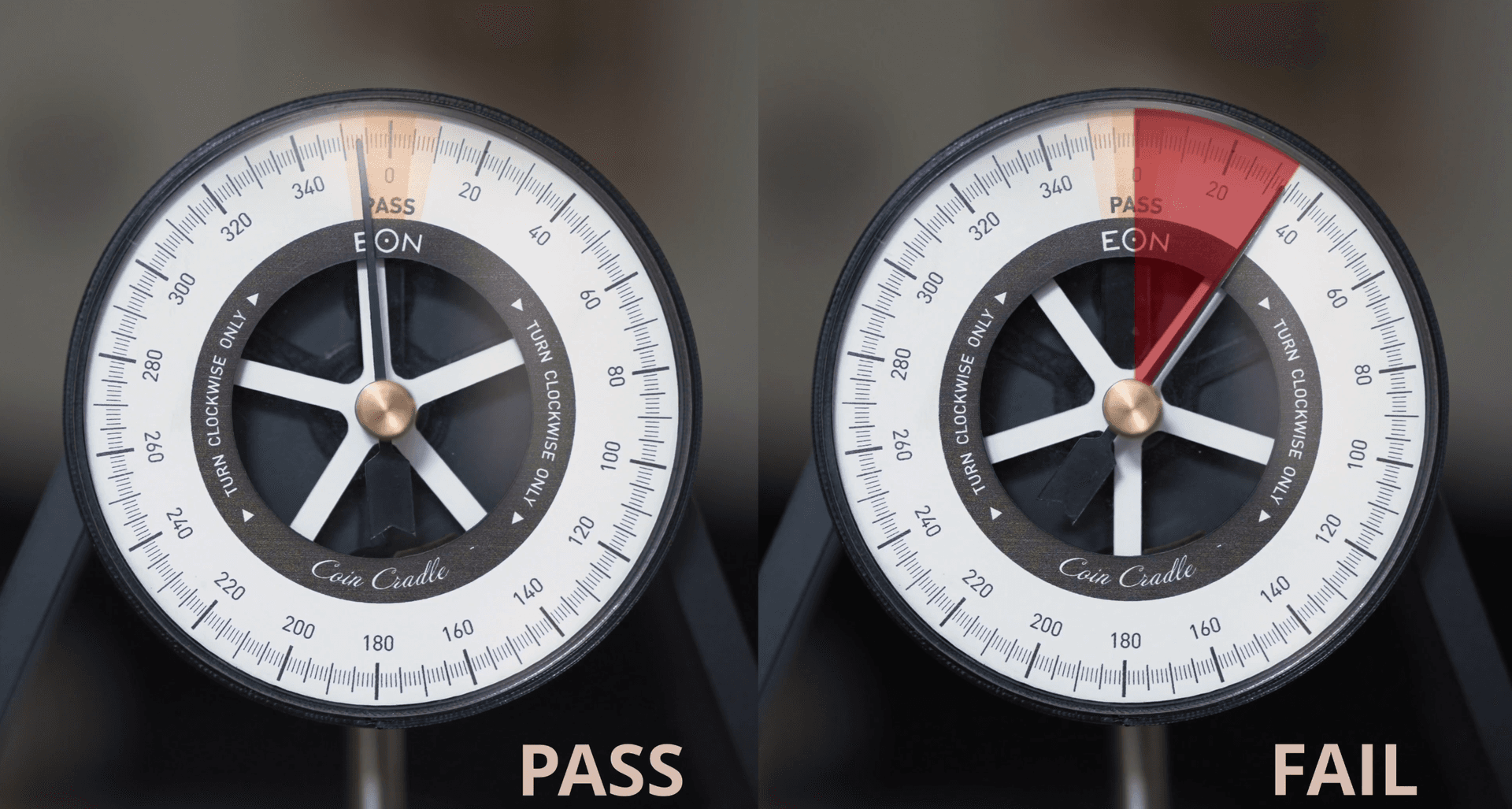
These photos show the full Coin Cradle, not the kit. The printed kit applies the same principle: a magnet swinging over the coin is braked by eddy currents in the metal.
Photo coming — prototype arriving
The printed pendulum kit, assembled, with a coin in the well
Photo coming — prototype arriving
The printed kit parts laid out flat before assembly
What's in the box
Everything You Need
Four 3D-printed components, a neodymium magnet, and a steel pivot pin. Designed to assemble by hand, without tools.
Base Plate
120 x 60 x 5mm
40mm coin well with stackable spacer support. Non-slip feet on bottom.
Upright Pillar
120 x 15 x 5mm
Snap-fit T-tab slots into the base plate. 3mm pivot hole at the top.
Pendulum Arm
80 x 10 x 3mm
4mm pivot hole for free swing. 10mm press-fit housing for the magnet.
Spacers (x5)
20 x 20 x 1mm each
Stack 0 to 5 in the coin well to fine-tune the magnet-to-coin air gap. These sit under the coin and raise it towards the magnet; they are not the Coin Cradle's 3 mm gauge blocks, and readings are not comparable between the two.
N42 Neodymium Magnet
10mm x 2mm disc
Press-fits into the pendulum arm. Creates the eddy current field.
Steel Pivot Pin
3mm dowel
Threads through pillar and arm. Allows the pendulum to swing freely.
Three Steps
How It Works
01
Assemble the kit
Slot the pillar into the base, thread the pivot pin through the arm, and press-fit the magnet. No tools needed.
02
Place coin, release pendulum
Set your coin in the well, stack the right number of spacers, and release the magnet from its starting position.
03
Read the result
How the kit is read is being settled on the prototype. A dial and a phone reading are both under test. Either way, compare with a genuine reference coin of the same type.
The Physics
How Counterfeits Show Up
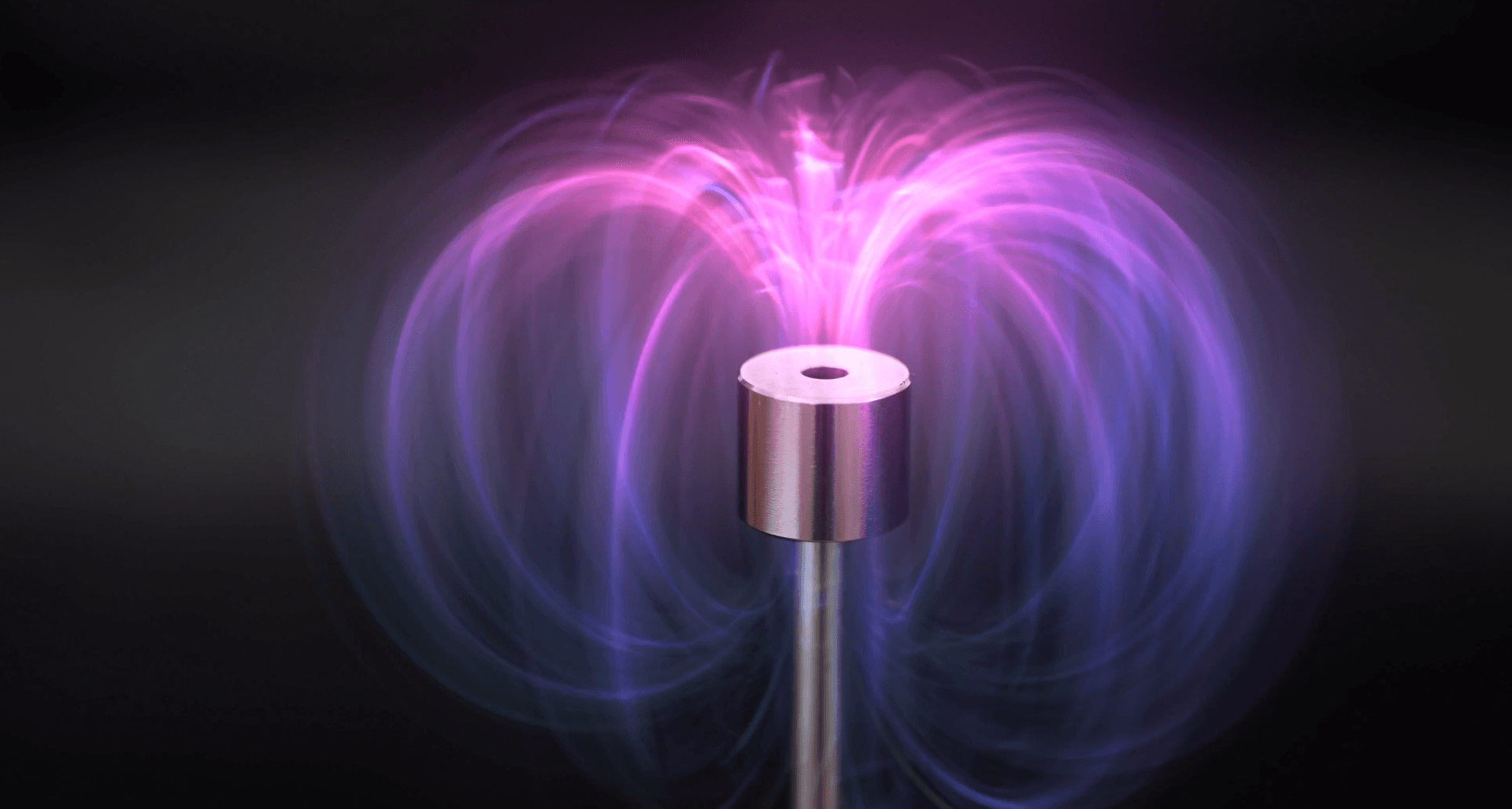
Eddy Current Damping
When a magnet swings over a conductive metal, it induces circulating eddy currents that create an opposing magnetic field. This damps the swing by an amount set by the metal's conductivity and the coin's thickness.
Gold's conductivity differs from tungsten's by more than two to one. Tungsten — the most dangerous counterfeit material because it matches gold's density — has a very different conductivity, so the swing dies away at a different rate.
No battery. No expertise needed. Calibrate against a genuine reference coin of each type; the kit's accuracy has not yet been tested. Fake-detection figures on this site are modelled, not measured.
Measured on the kit prototype
Awaiting prototypeEach coin released several times at the same spacer setting; the reading is compared with a genuine reference coin of the same type.
| Coin | Sample | Reference coin | Kit reading | Result |
|---|---|---|---|---|
| Gold Krugerrand 1 oz (22 ct) | Genuine | — | — | not yet measured |
| Gold Philharmonic 1 oz (999.9) | Genuine | — | — | not yet measured |
| Gold Eagle 1/10 oz (22 ct) | Genuine | — | — | not yet measured |
| Silver Maple Leaf 1 oz | Genuine | — | — | not yet measured |
| Gold Eagle 1 oz | Gold-plated tungsten fake | — | — | not yet measured |
Results coming — prototype testing under way. Nothing in this table has been measured yet.
Comparison
Flat-Pack Kit vs Alternatives
Professional
Not for sale
Precision Coin Cradle
- Walnut & steel construction
- Mechanical 360° dial
- No smartphone needed
- One instrument, #0001
Best Value
Flat-Pack Kit
€15 – €20
EON Pendulum Kit
- 3D-printed, ships flat
- Readout under test: dial or phone
- Same principle as the Coin Cradle; accuracy not yet tested
- For every gold owner
Handheld XRF
€15,000–25,000
About
- Reads the surface only
- A thick gold plating can pass
Specifications
Kit Details
Magnet
N42 Neodymium
10mm x 2mm disc
Material
PLA Plastic
3D printed, ~20g total
Assembly
Snap-fit
No tools needed
Shipping
Large Letter
Total stack < 25mm
Gap Range
0 — 5mm
5 stackable spacers
Power
None
Pure mechanical physics
Measurement
Under test
A dial and a phone reading are both being tested
Patent pending
EP 21777454.6
European application
BATCH 1
Reserve Your Kit
Prototypes are in production and have not yet been tested. Reserving costs nothing: no payment is taken and no card details are asked for.
0 of 50 reserved0%
€15 – €20per kit
Includes all components • Ships as Large Letter
We will email you the prototype test results before anything is offered for sale. You decide then whether to buy. The same list gets news of the Phone Cradle.
Go Deeper
The Science Behind the Kit
The Flat-Pack Kit exploits eddy current damping — the same physics as the magnetic brakes on trains and roller coasters. Read how the physics works or try the free online simulator.